May 12, 2026
When hiring a roofer, it’s important to ask the right questions so you can feel confident about the company working on your home. Beyond appearance and function, a roof protects your property from weather, moisture, and long-term structural concerns. Taking time to compare
local roofers can help you choose a professional who understands your needs, your home, and the conditions that affect roofs in your area.
Because roofing is a significant investment, homeowners should ask detailed questions before signing an agreement. The right questions can help you learn more about experience, licensing, insurance, safety, communication, and project expectations. As you review local roofers, use the questions below to guide your decision-making process.
1. What Is Your Experience In Roofing?
1.1. Years In Business
Learning about a roofer’s experience often begins with asking how long they have been in business. A company or individual with many years in the roofing industry may have handled a wide range of projects, materials, repairs, and installation needs. This experience can be valuable when your project requires practical problem-solving and steady workmanship.
When comparing local roofers, ask about their history, the types of homes they commonly work on, and how their process has changed over time. A longer track record can show that the roofer has continued serving customers through different seasons, weather events, and roofing challenges.
1.2. Types Of Roofing Materials Worked With
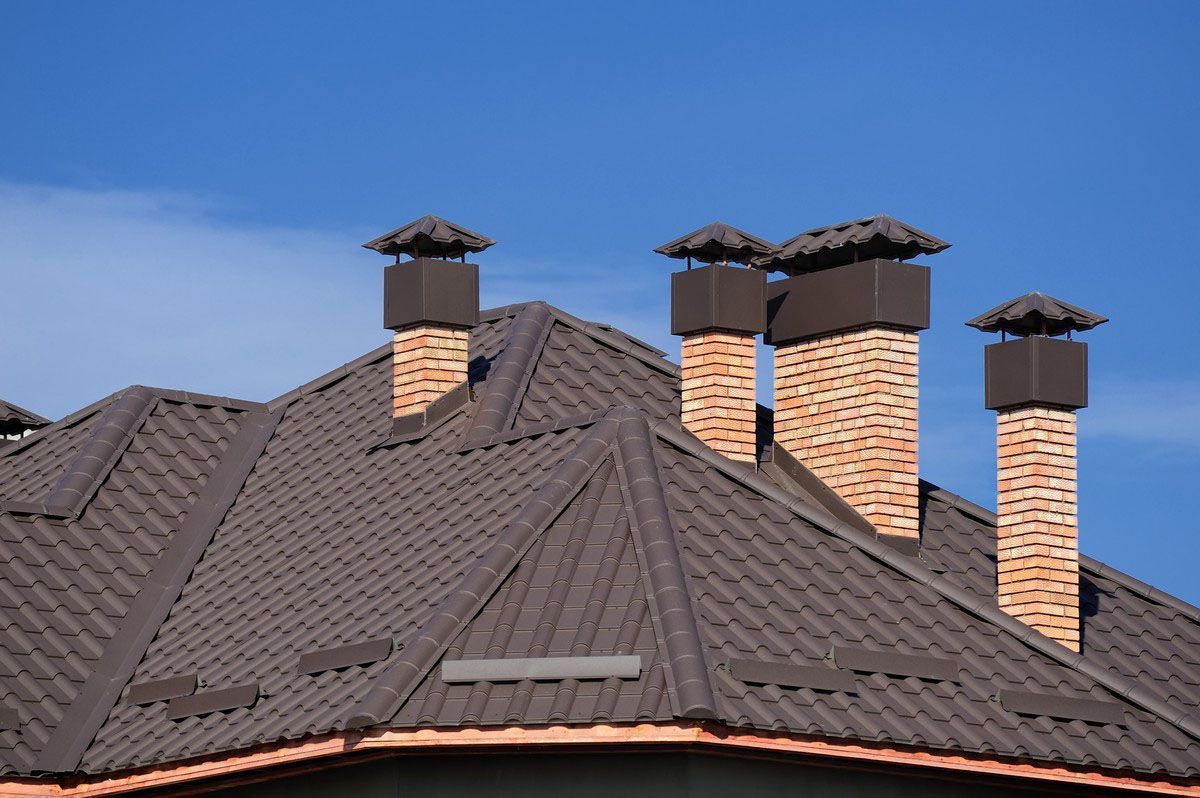
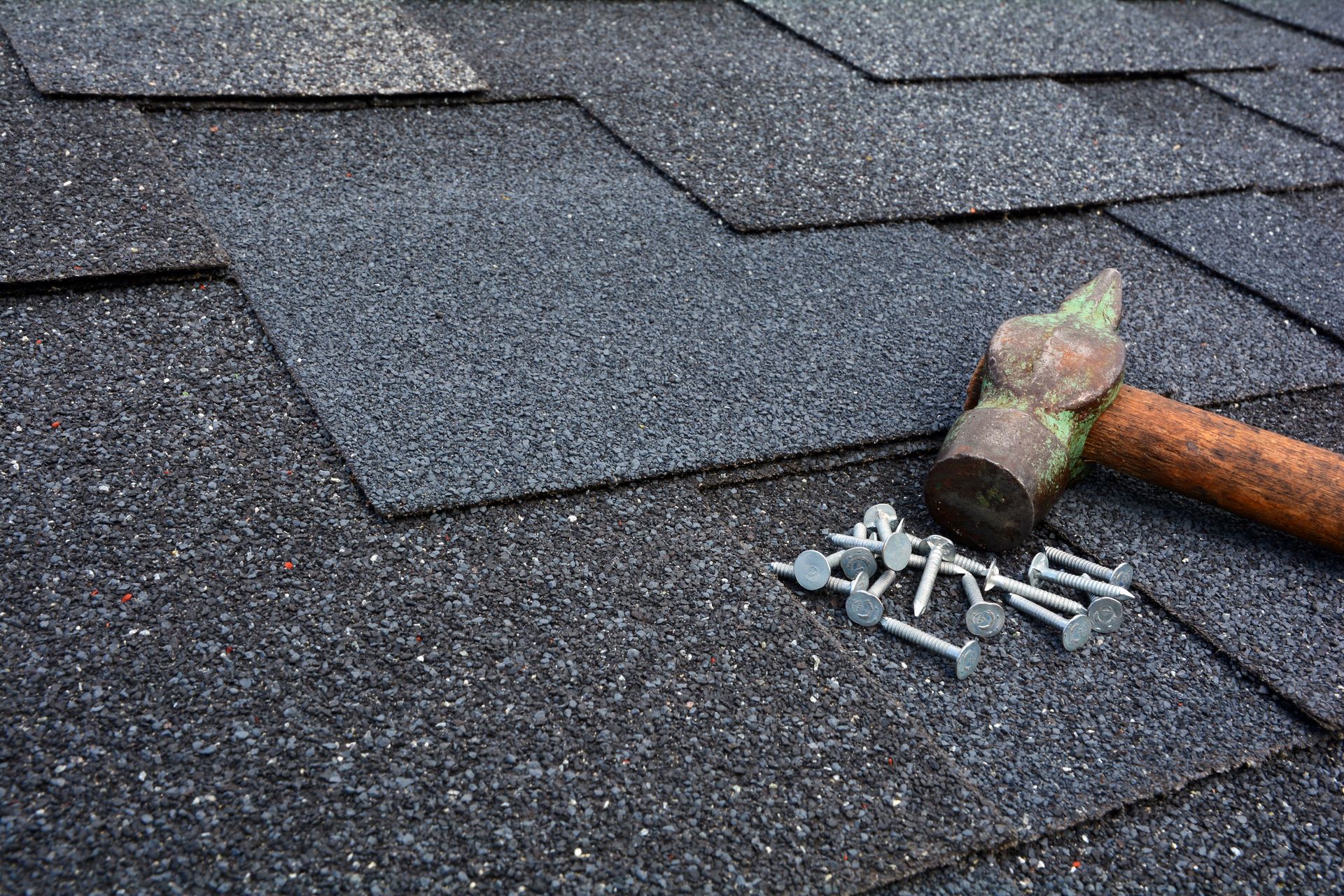
Different homes require different roofing materials, and a skilled roofer should have experience with several options. Asphalt shingles, metal roofing, clay tiles, slate, and wood shake each have different installation methods, maintenance needs, and performance expectations. Asking about material experience can help you decide whether a roofer is familiar with the type of roof on your home.
Some local roofers may focus on common residential materials, while others may also work with specialty roofing systems. It is helpful to ask whether the roofer has completed recent projects using the same material you need for your repair or replacement.
1.3. Similar Projects Completed
One way to gauge a roofer’s ability is by reviewing their experience with projects similar to yours. A portfolio with homes of similar size, roof pitch, age, or material can help you understand what the roofer has handled before. This can be especially useful if your home has storm damage, ventilation issues, leaks, or an older roofing system.
According to RubyHome, 33% of homeowners replace their roofs due to storm damage, which highlights the importance of hiring roofers familiar with weather-related concerns. Ask local roofers whether they have managed similar repairs or replacements and how they handled the project from inspection to completion.
2. What Is Your Track Record With Safety?
2.1. Safety Training And Certification
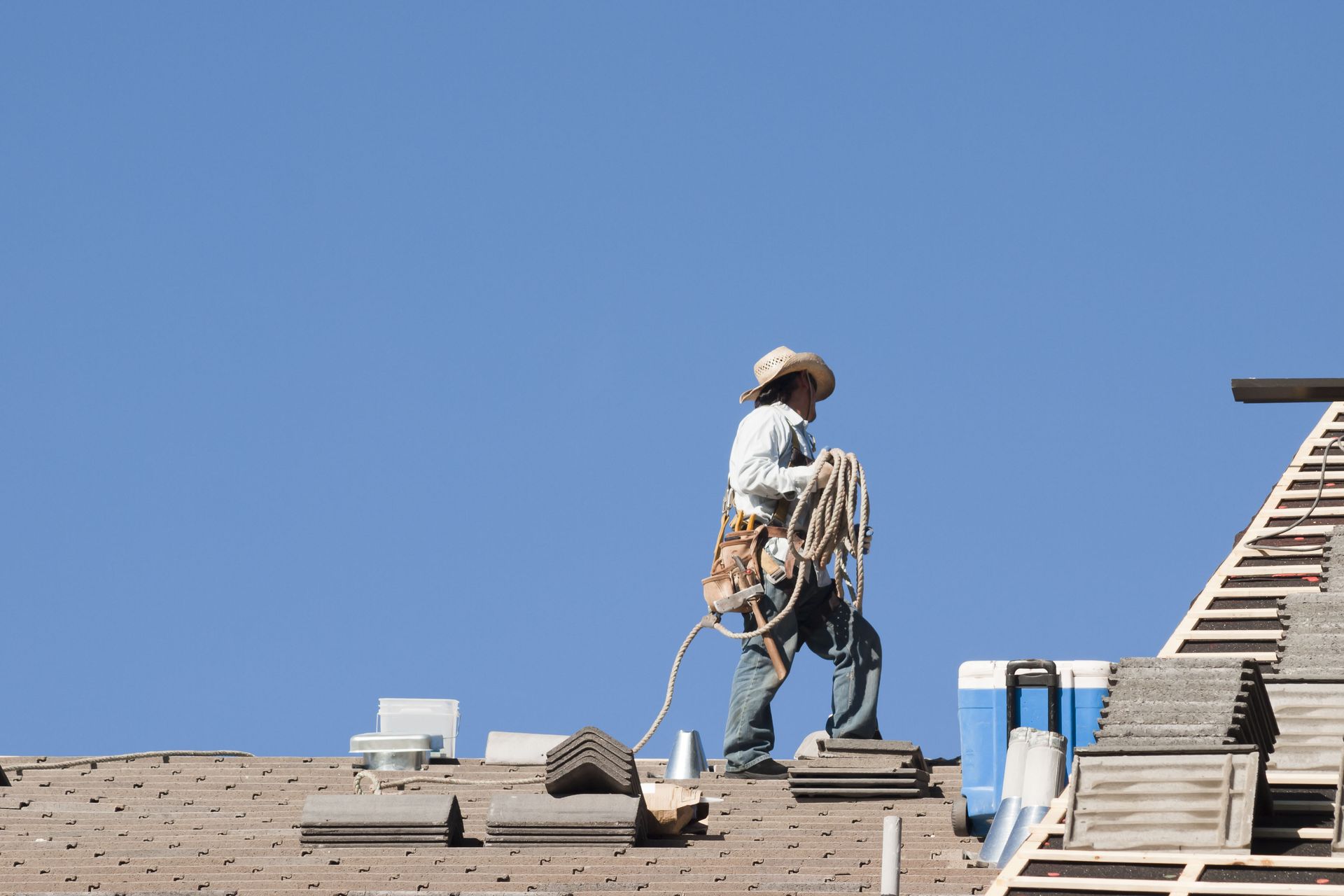
Safety should be a priority on every roofing project. Roofing work involves heights, equipment, tools, and changing weather conditions, so crews need proper training. Ask whether the roofer provides safety training and whether workers hold any relevant certifications.
Responsible local roofers should be able to explain how they train their crews and manage safety risks. This can help protect workers, homeowners, and the property itself.
2.2. On-Site Safety Measures
On-site safety measures may include fall protection, marked work areas, proper ladder use, protective gear, and safe material storage. These steps help reduce the chance of accidents and keep the project organized. They also show that the roofer takes the work environment seriously.
Ask local roofers what safety procedures they follow at the job site. Their answers can reveal how carefully they plan and manage each project.
2.3. Incident Rate And Past Accidents
While accidents can happen, homeowners can still ask about a roofer’s safety record. A company with strong safety practices should be prepared to discuss how it prevents accidents and responds if one occurs. This conversation can provide insight into the company’s professionalism.
When speaking with local roofers, ask how they handle job site hazards, weather changes, and unexpected safety concerns. Their response can help you decide whether they are prepared for the realities of roofing work.
2.4. Emergency Procedures
Emergency procedures help crews respond quickly if something goes wrong. These procedures may include steps for injuries, property damage, severe weather, or unsafe conditions. A prepared roofer should know how to stop work, communicate with the homeowner, and address the issue properly.
Ask local roofers whether they have emergency procedures in place. A clear answer can help you feel more comfortable with how the project will be managed.
2.5. Compliance With OSHA Regulations
The Occupational Safety and Health Administration sets safety standards for many types of work, including roofing. OSHA compliance can help protect workers and reduce unsafe practices. Homeowners should ask whether the roofer follows applicable OSHA guidelines.
Professional local roofers should understand safety regulations and take them seriously. This can support a safer, more organized roofing project from start to finish.
3. How Do You Handle Unexpected Issues During a Project?
3.1. Contingency Plans
Unexpected issues can arise during roofing projects, especially once old materials are removed. Hidden water damage, rotted decking, ventilation concerns, or structural issues may require changes to the original plan. A roofer should have a process for identifying and addressing these problems.
Ask local roofers how they handle surprises during a project. Their answer should include communication, documentation, and a clear plan for homeowner approval before extra work is completed.
3.2. Communication Protocols
Clear communication can make a roofing project much easier to manage. Homeowners should know who their main point of contact is, how updates will be shared, and how questions will be answered. Good communication can also prevent misunderstandings about schedules, costs, and changes.
When interviewing local roofers, ask how often they provide updates. A roofer with an organized communication process can help you stay informed throughout the project.
3.3. Change Orders
Change orders are used when the scope, cost, or timeline of a project needs to change. A written change order should explain what is being added or adjusted and how it affects the final price. This protects both the homeowner and the roofer by documenting the decision.
Reliable local roofers should have a clear change order process. Ask whether they require written approval before making changes that affect the project cost.
3.4. Cost And Time Adjustments
Roofing projects can be affected by weather, material availability, hidden damage, or permit delays. Homeowners should ask how a roofer handles changes to the timeline or budget. A professional roofer should communicate these changes as soon as possible.
Ask local roofers how they document cost and time adjustments. Their process should help you understand what changed, why it changed, and what happens next.
3.5. Client Input And Involvement
Homeowners should have a voice in decisions that affect their roof. Whether you are choosing materials, approving repairs, or asking questions about the timeline, your input matters. A roofer should be willing to explain options and help you make informed decisions.
As you compare local roofers, ask how they involve homeowners during the project. A roofer who values communication can make the experience feel more organized and less stressful.
By asking these important questions, homeowners can make a more informed decision before hiring a roofer. Experience, licensing, insurance, written estimates, safety practices, communication, and crew structure all matter when choosing the right professional for your project. Comparing local roofers carefully can help you find a company that is prepared, organized, and clear about what to expect.
A roof is too important to leave to guesswork. Taking time to ask detailed questions can help you protect your home, your budget, and your peace of mind. Before moving forward with a repair or replacement, speak with local roofers, review their answers carefully, and choose the company that best fits your roofing needs. Contact Blue Line Roofing & Exteriors today to learn more.