
Are you wondering what the benefits of consulting local roofing contractors are? Read this blog to learn all about it today!
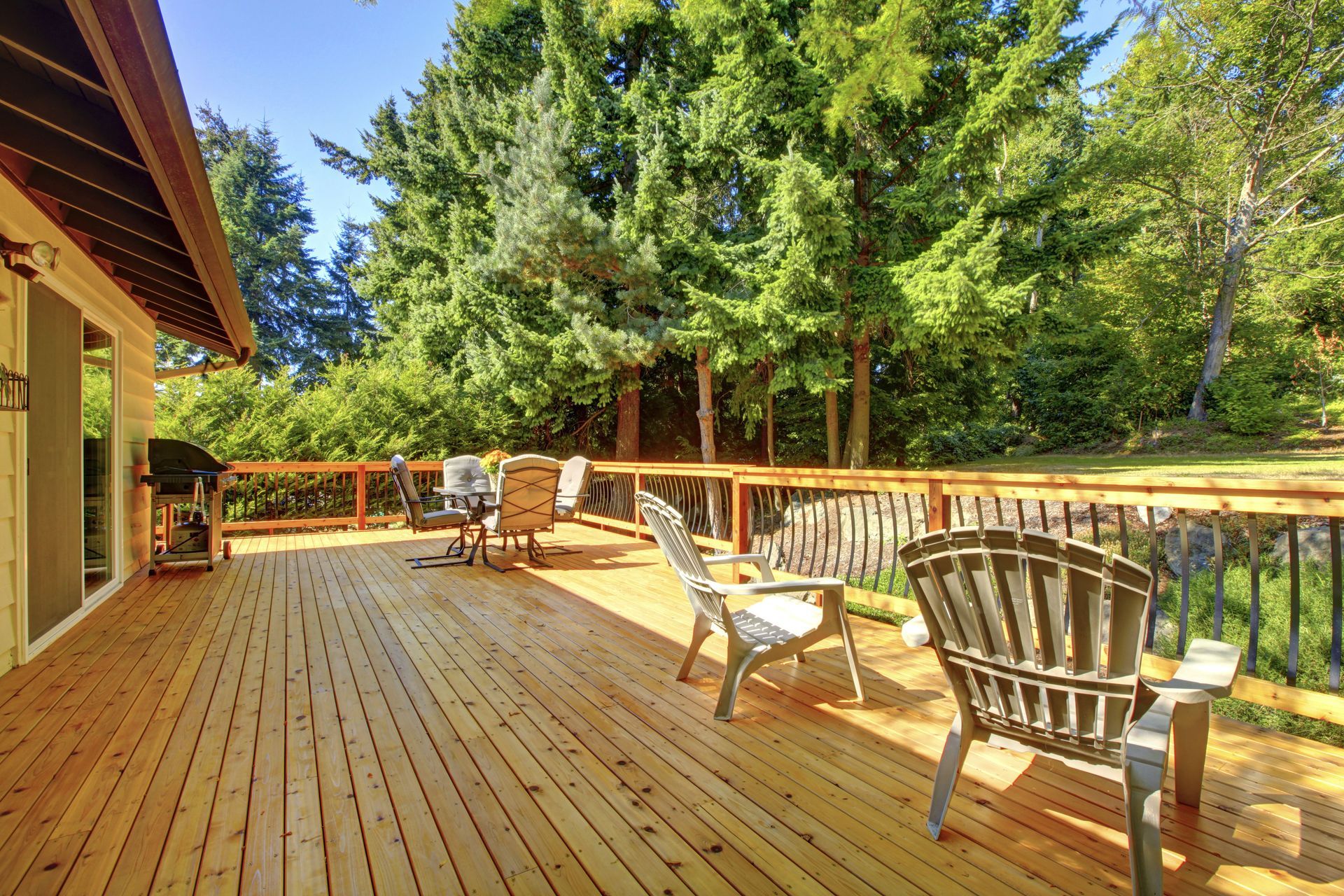
A deck's layout affects movement, seating, and the surrounding yard. Discover why deck replacements can inspire larger outdoor renovation plans.
Choosing the right materials for an outdoor living space is an important decision for homeowners. Wood and composite decking offer advantages in durability, appearance, maintenance, and cost. Understanding these differences can help you select materials that complement your property and lifestyle. At Blue Line Roofing & Exteriors, we understand that outdoor spaces should combine beauty, functionality, and lasting performance. Whether you're considering natural wood or modern composite materials, professional guidance can help you make a confident investment. Comparing Durability and Longevity Evaluating Weather Resistance Choosing the right materials helps protect your deck against seasonal weather changes and premature deterioration. Weather resistance is essential when selecting materials for outdoor construction. Wood offers natural beauty but can deteriorate when exposed to prolonged moisture, sunlight, and changing temperatures. Without proper protection, wooden boards may warp, crack, or develop damage. Composite decking combines wood fibers and synthetic materials to create boards engineered to withstand environmental exposure. Many products resist moisture absorption, helping reduce swelling and deterioration. However, performance varies depending on product quality and installation conditions. For homeowners living in areas with frequent rain, snow, or humidity, moisture resistance deserves attention. Professional installers can recommend materials suited to regional weather patterns. Understanding Wear and Tear Daily activity affects how outdoor surfaces age. Foot traffic, patio furniture, pets, and recreational activities can gradually create scratches, dents, and other damage. Natural wood can develop imperfections, although professional refinishing may restore its appearance. Composite boards often feature protective layers designed to resist staining, fading, and everyday wear. However, composite materials are not completely scratchproof. Heavy furniture and abrasive objects can still damage their surfaces. Choosing quality materials and following manufacturer recommendations helps maintain attractive results. Considering Pest and Rot Resistance Wooden structures may experience damage from termites, other insects, and moisture-related decay. Pressure-treated lumber and naturally resistant wood species offer protection, but their effectiveness depends on environmental conditions and maintenance. Composite materials generally resist insect damage and moisture-related deterioration because of their engineered composition. This advantage appeals to homeowners seeking fewer maintenance concerns. Regardless of the surface material, supporting structures require proper construction and inspection. Professional installation helps ensure framing, connections, and drainage systems support lasting performance. Comparing Appearance and Design Exploring Natural Wood Aesthetics A composite deck can provide a polished appearance that complements both modern and traditional home designs. Wood remains popular because of its warmth, distinctive grain patterns, and traditional appearance. Cedar, redwood, and pressure-treated pine offer different colors and textures that complement various architectural styles. Natural wood also develops character as it ages. Some homeowners appreciate its changing appearance, while others prefer finishes that preserve the original color. A professionally designed wood deck can create an inviting extension of the home, particularly when paired with coordinated railings, stairs, and exterior finishes. Exploring Composite Design Options Composite decking offers realistic wood-grain patterns, textured surfaces, and numerous color choices. Manufacturers produce finishes that resemble traditional lumber while providing consistent coloring between boards. According to Grand View Research, the decking market has an estimated size of USD 16.4 billion. This substantial market reflects the importance of outdoor construction materials and the variety of options available to property owners. Composite products complement contemporary homes through clean lines and uniform finishes. They can also suit traditional properties when homeowners select natural-looking colors and textures. Evaluating Customization Opportunities Wood offers considerable flexibility in appearance. Professional staining, painting, and refinishing services allow homeowners to update colors or restore weathered surfaces. Composite materials generally require homeowners to select their preferred appearance before installation. Most manufacturers discourage painting or staining unless their products specifically permit those treatments. Both materials accommodate various board arrangements, railing styles, and outdoor layouts. An experienced contractor can explain which designs are practical for the chosen material. For homeowners considering a new deck, coordinating surface colors with siding, roofing, and exterior trim creates a cohesive appearance. Comparing Maintenance Requirements Understanding Wood Maintenance Professional maintenance helps preserve your wood deck while reducing the risk of long-term damage. Wood requires ongoing attention to preserve its appearance and structural condition. Exposure to moisture, sunlight, and seasonal temperature changes can gradually affect untreated or poorly maintained surfaces. Professional maintenance may include cleaning, sealing, staining, and replacing damaged boards. The appropriate schedule depends on wood species, finish quality, climate, and manufacturer recommendations. Regular inspections help identify loose fasteners, deteriorating boards, and structural concerns before they become serious. Although these responsibilities require additional investment, homeowners who value natural materials may consider the maintenance worthwhile. Understanding Composite Maintenance Composite decking typically requires less maintenance than natural wood. Most products do not need routine staining or sealing, and many feature surfaces designed to resist moisture and stains. However, reduced maintenance does not mean maintenance-free ownership. Dirt, leaves, pollen, and debris can accumulate, particularly in shaded or damp areas. Manufacturer-approved cleaning methods help preserve the finish without damaging protective coatings. Homeowners should arrange professional inspections when they notice movement, damaged boards, or structural concerns. Composite materials offer convenience for property owners who prefer fewer recurring surface treatments. Evaluating Repair Requirements Repair considerations differ between wood and composite surfaces. Individual wooden boards may be replaced or professionally refinished when damage is limited. Composite boards sometimes require replacement when scratches, cracks, or defects cannot be corrected using manufacturer-approved methods. Matching older colors may also become challenging if a finish has been discontinued. Professional evaluations help determine whether localized repairs are appropriate or more extensive replacement is necessary. The underlying framing is equally important. Surface improvements cannot resolve compromised supports, inadequate connections, or structural deterioration. Comparing Costs and Long-Term Value Assessing Initial Installation Costs Initial project expenses depend on material selection, project dimensions, structural requirements, and design complexity. Pressure-treated wood often offers a lower upfront material cost than premium composite products. Cedar, redwood, and specialty lumber may increase expenses considerably. Composite products generally require a larger initial investment, although pricing varies across manufacturers and product collections. Additional features, including railings, stairs, lighting, and custom layouts, influence construction costs. Professional estimates provide a clearer understanding of expenses. Assessing Long-Term Ownership Costs A lower initial price does not necessarily mean lower lifetime expenses. Wood may require recurring professional staining, sealing, repairs, and eventual board replacement. Composite materials can reduce maintenance expenses because most products do not require refinishing. However, installation quality, product selection, and environmental conditions influence long-term performance. Homeowners should evaluate anticipated maintenance, replacement needs, and warranty coverage rather than comparing purchase prices alone. A professionally constructed deck should incorporate appropriate drainage, secure connections, and materials compatible with the supporting framework. Reviewing Manufacturer Warranties Warranty protection is another consideration when comparing materials. Some composite manufacturers offer extended limited warranties covering specified defects, staining, or fading. Coverage varies between products. Certain warranties require approved installation practices, documented maintenance, or compliance with usage conditions. Wood warranties may focus on particular treatments or manufacturing defects rather than ordinary weathering and deterioration. Before selecting materials, homeowners should review coverage limitations and discuss warranty requirements with their contractor. Choosing the Right Material for Your Home Considering Your Lifestyle Your preferred material should reflect how you plan to use your outdoor space. Families who entertain frequently may prioritize stain resistance, durability, and easy maintenance. Homeowners who appreciate traditional craftsmanship may prefer natural wood despite its additional upkeep requirements. Climate, household activity, aesthetic preferences, and maintenance budgets influence the decision. Neither material is automatically the best choice for every property. Comparing practical needs with product characteristics helps identify a suitable solution. Considering Professional Installation An experienced contractor can ensure your deck is constructed with appropriate materials, structural support, and attention to detail. Material quality is only one component of a successful outdoor project. Proper framing, fastening, ventilation, drainage, and structural connections are essential for reliable performance. Local building requirements may influence railing designs, stair construction, and structural specifications. Working with experienced professionals helps homeowners navigate these considerations while achieving attractive results. Professional planning reduces the likelihood of preventable installation problems that could affect appearance, safety, or warranty coverage. Planning Your Outdoor Project At Blue Line Roofing & Exteriors, we believe exterior improvements should enhance your home's appearance and functionality. Choosing between wood and composite decking involves balancing natural beauty, maintenance expectations, durability, and long-term expenses. Our team can help you explore your exterior improvement goals and understand the considerations involved in creating a cohesive outdoor environment. If you're planning an outdoor renovation, contact Blue Line Roofing & Exteriors to discuss your project and learn more about professional exterior solutions.

