March 15, 2026
Choosing a roof isn’t something most people spend time thinking about — until they have to. It often comes after a leak, during a renovation, or when wear and tear becomes impossible to ignore. Suddenly, you’re sorting through materials, styles, and opinions, which can quickly feel like a lot.
But a roof does more than cap your home. It protects everything beneath it, affects energy efficiency, shapes appearance, and influences how often roofing repair may come into the picture. Each roof type offers its own mix of style and function.
So let’s skip the heavy jargon and talk through it simply. Here are seven common roof types and the benefits they bring.
1. Exploring Asphalt Shingle Roofs
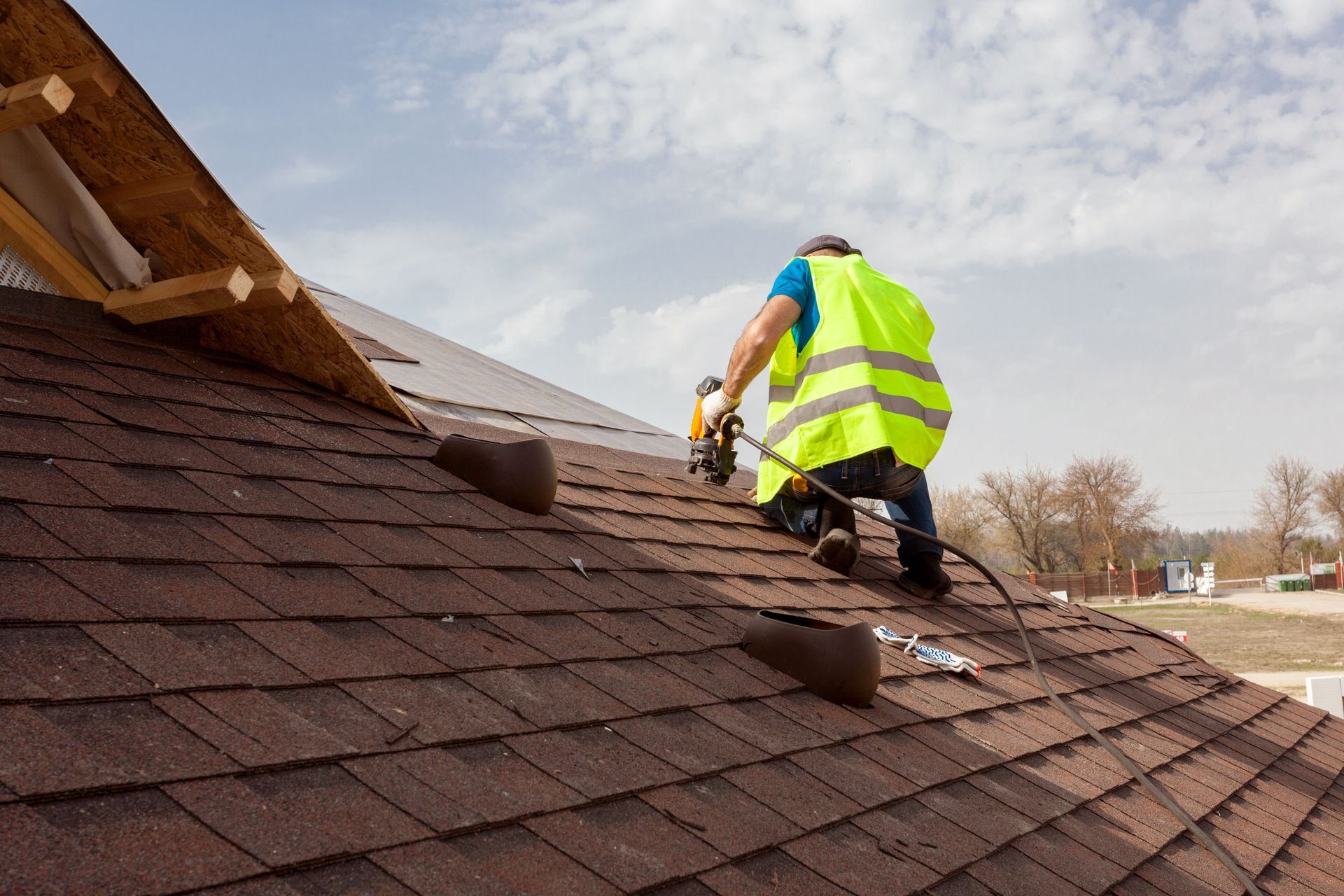
If roofs had a “most recognizable face,” asphalt shingles would probably be it. Drive through almost any neighborhood and you’ll see them again and again, blending into the landscape with a sense of familiarity.
According to Roofer's Guild, around 75% of North American homes have asphalt shingle roofs.
There’s a reason they’re so widely chosen. Asphalt shingles offer a balanced mix of affordability, visual variety, and dependable protection. They come in a range of colors and styles, making it easier to complement different architectural designs without dramatically stretching a budget.
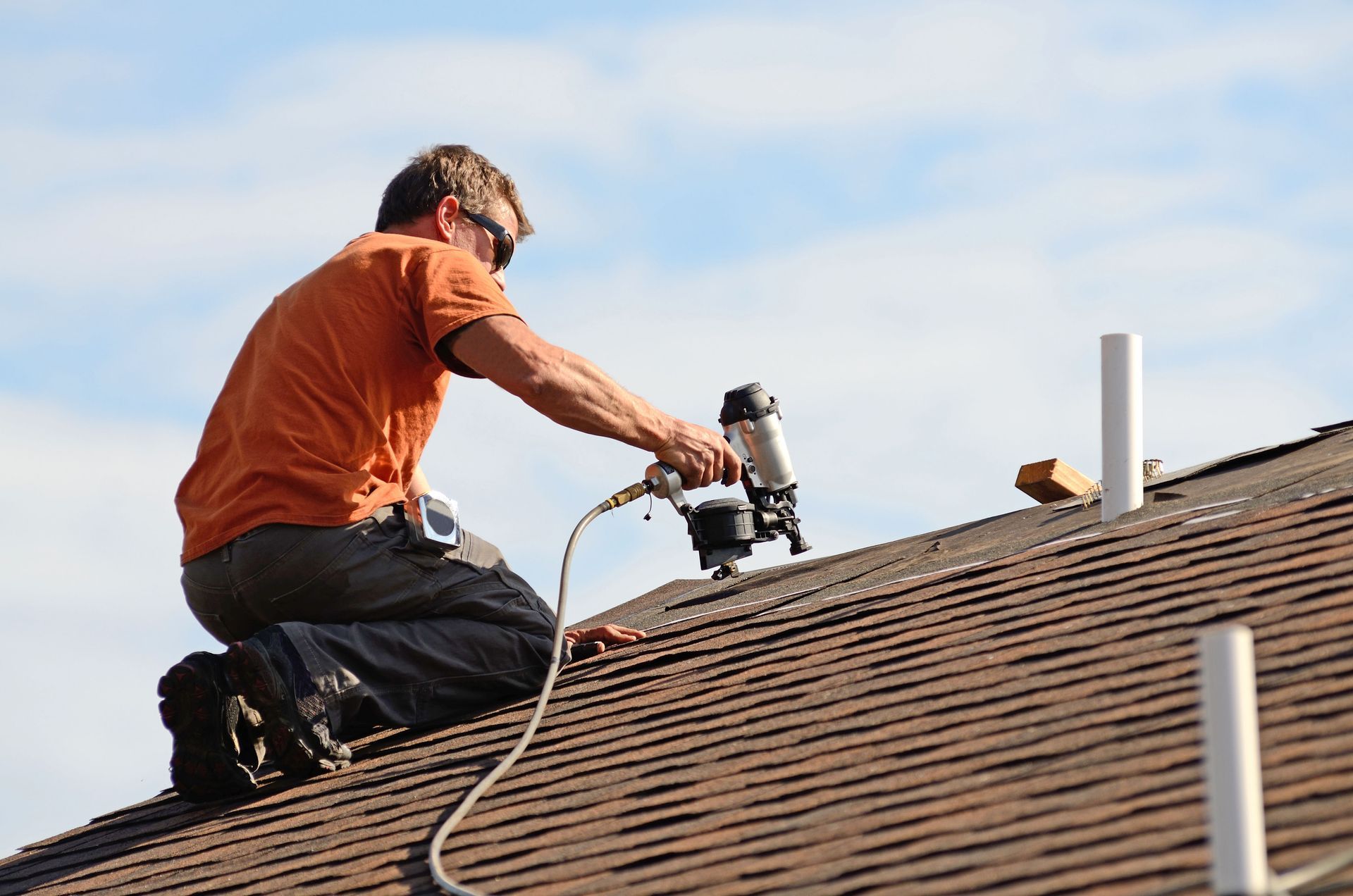
Homeowners also appreciate their relatively straightforward maintenance needs. While no roof is immune to wear, asphalt shingles are generally easy for professionals to assess when roofing repair becomes necessary. Individual shingles can often be addressed without disturbing large sections of the roof.
They’re also adaptable. Whether your home leans traditional, contemporary, or somewhere in between, shingles tend to “play nice” with most aesthetics. For many families, that combination of practicality and flexibility makes asphalt shingles feel like a comfortable, low-drama choice.
2. Exploring Metal Roofs
Metal roofs have undergone quite the image transformation. What was once associated primarily with barns or industrial buildings is now a striking option for residential homes of all styles.
One of the most talked-about benefits is durability. Metal roofing is designed to handle challenging weather conditions, including strong winds and heavy precipitation. It’s also resistant to issues like rot and insect damage, which can impact other materials.
Another appealing advantage is energy performance. Metal surfaces can reflect sunlight rather than absorbing it, helping reduce heat buildup in warmer climates. That reflective quality can contribute to a more comfortable indoor environment and potentially lower cooling demands.
From a design perspective, metal roofs offer clean lines and a modern edge, though they can also mimic the look of traditional shingles, wood shakes, or tiles. This versatility allows homeowners to achieve a distinctive appearance without sacrificing function.
And when roofing repair is required, metal systems can often be evaluated and serviced in a targeted way, depending on the type of panel or fastening method used.
3. Exploring Clay Tile Roofs
Clay tile roofs carry a certain sense of character. They’re frequently seen on Mediterranean, Spanish, or Southwestern-style homes, where their curved shapes and warm tones create a visually rich profile.
Beyond appearance, clay tiles are valued for their longevity and resilience. They’re known for withstanding intense sun exposure and resisting fire, making them especially attractive in regions with hot, dry conditions.
There are practical benefits, too. The shape and placement of tiles allow for natural ventilation beneath the surface, which can help regulate roof temperatures.
Of course, clay tile roofs are heavier than many alternatives, meaning the home’s structure must be able to support the load. But when properly installed, they offer a blend of elegance and endurance that many homeowners find hard to ignore.
If a tile cracks or shifts, roofing repair professionals can typically replace specific pieces rather than overhauling the entire system.
4. Exploring Slate Roofs
Slate roofs have a reputation for timelessness. Their natural stone composition gives homes a refined, almost storybook quality that feels both solid and sophisticated.
Durability is one of slate’s defining strengths. Stone doesn’t burn, rot, or attract insects, and it holds up impressively against the elements. Many slate roofs remain in service for decades, quietly doing their job with minimal fuss.
However, slate is not a lightweight option. Similar to clay tiles, it requires a structure capable of supporting its weight. Installation also demands specialized expertise, given the material’s unique characteristics.
When roofing repair enters the picture, the work must be handled by professionals familiar with slate systems. Proper handling ensures the integrity of the surrounding tiles remains intact.
For homeowners drawn to authenticity, elegance, and long-term performance, slate offers a compelling package.
5. Exploring Wood Shake Roofs
Wood shake roofs bring warmth and texture that few other materials can match. They’re often chosen for cottages, craftsman homes, or properties aiming for a natural, rustic charm.
Unlike machine-cut shingles, shakes are typically thicker and more irregular, creating a layered, handcrafted look. That variation adds visual depth and a sense of organic beauty.
Wood also provides natural insulation properties. It can help moderate temperature fluctuations, contributing to a comfortable interior environment when properly maintained.
Professional inspections become especially valuable here. Early detection of issues allows roofing repair to address localized concerns before they develop into larger complications.
For many homeowners, the distinctive appearance and character of wood shakes make the additional maintenance considerations worthwhile.
6. Exploring Flat Roof Systems
Flat roofs are commonly associated with modern architecture, though they’re also widely used on commercial buildings and certain residential designs.
One of their primary advantages is space efficiency. Flat surfaces can accommodate equipment, solar panels, or even rooftop patios, depending on the structure and local regulations.
Flat roof systems typically rely on specialized membranes designed to create a watertight seal. These materials are engineered to handle pooling water and temperature fluctuations.
Maintenance plays a key role in performance. Because debris can accumulate more easily on a flat surface, regular professional evaluations help preserve drainage and membrane integrity.
Flat roofs offer a sleek, contemporary appearance and functional flexibility that appeals to homeowners seeking something outside the traditional sloped profile.
7. Exploring Synthetic Roof Materials
Synthetic roofing materials have gained popularity for their ability to mimic the look of natural products while offering additional performance benefits.
These materials can replicate slate, wood, or tile, delivering similar visual appeal with reduced weight. That lighter composition can simplify structural requirements and broaden design possibilities.
Synthetic options are often engineered for impact resistance and durability. They’re designed to handle weather exposure while maintaining their appearance over time.
Another advantage is consistency. Unlike natural materials, which may vary significantly, synthetics are manufactured to deliver uniformity in shape and color.
When roofing repair becomes necessary, professionals can typically work with individual components, depending on the system’s design.
For homeowners who love the look of traditional materials but want a modern twist on performance and maintenance, synthetic roofing can be an attractive middle ground.
If there’s one takeaway from all of this, it’s that roofs are deeply personal decisions. What works beautifully for one home might not be the right fit for another.
Climate, architectural style, budget, maintenance expectations, and long-term plans all play a role. Some homeowners value classic familiarity. Others lean toward bold visual statements. Many simply want a roof that quietly does its job year after year.
No matter the material, one universal truth remains: attention and care matter. Regular inspections and timely roofing repair help preserve performance, prevent damage, and protect your investment.
When you’re ready to explore your options or address concerns, reach out to Blue Line Roofing & Exteriors.